The Church of Mirzha
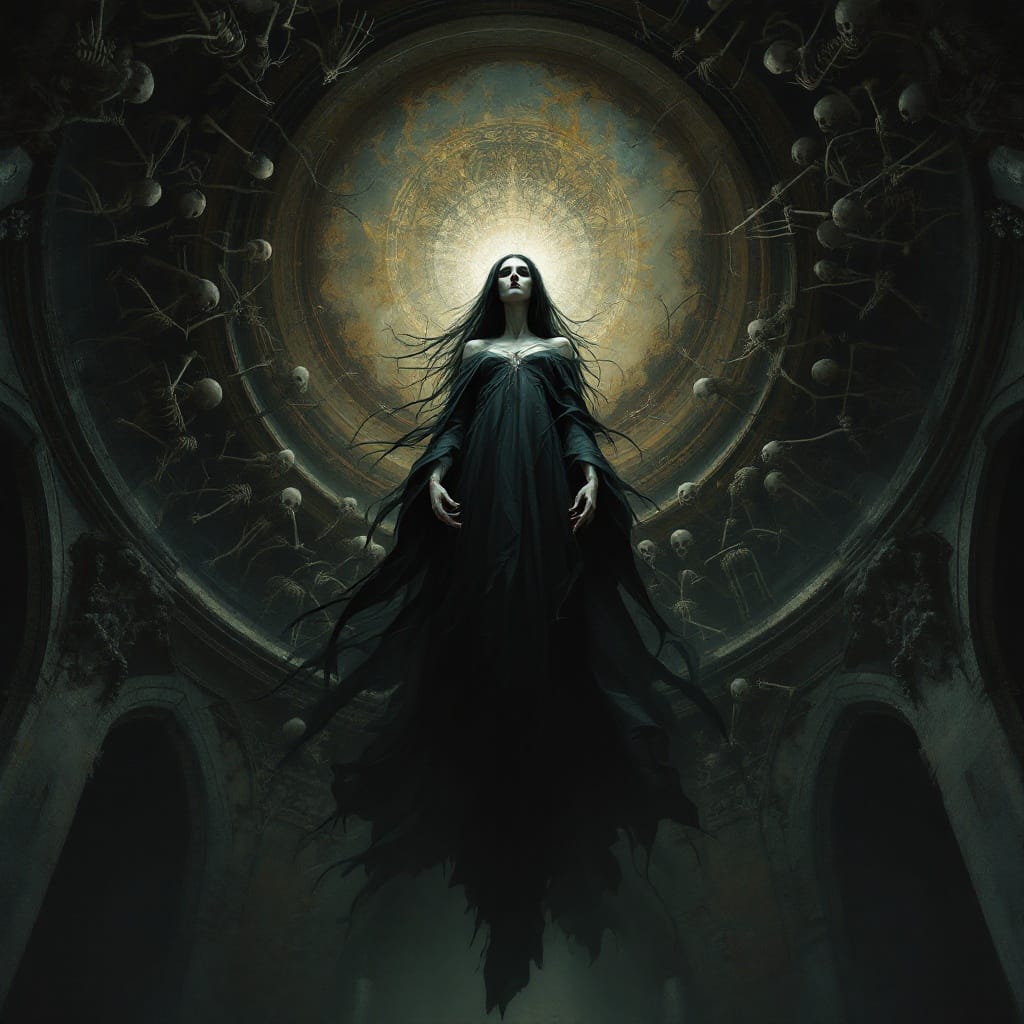
The Church of Mirzha is arguably the oldest organized religion in recorded history, but the goddess’s legend is even older. Legends say that in the days before the first King of Strovia, the Wraithwind was violent and unforgiving, rising up as tempests of mist and darkness that left whole villages dead in its wake. The few who survived (often children) told stories of an ominous phantasmal woman they saw within the storm who touched them, sparing their lives from the destruction. As the stories spread of this mysterious blessing, towns and villages began to erect statues and shrines, pleading for mercy from this goddess. Those who bore witness to her appearance and survived were often appointed spiritual leaders in their communities, with many supposing they possessed the goddess’s favor. In time, nearly every village or city in Strovia had a man or woman who was named priest or priestess dubbed the Children of Mirzha.
The early days of Strovia were a time of desperation and famine, with villages struggling to survive in a hostile and uncaring world. The Children of Mirzha were intercessors between the suffering people and the goddess of life and death, pleading on their behalf and admonishing their communities to be humble and faithful. In those villages where the people heeded the admonishings of the priest or priestess, their famines lifted, their children were spared from disease and early death, and they prospered. Although rare, there were accounts of communities who refused the counsel of Mirzha’s Children only to find themselves beset by a terrible storm, claiming the lives of all but the priest who had warned them. In time, those who wore the mantle of the goddess were accepted as prophets without fault, serving as judges, rulers, and wise teachers.

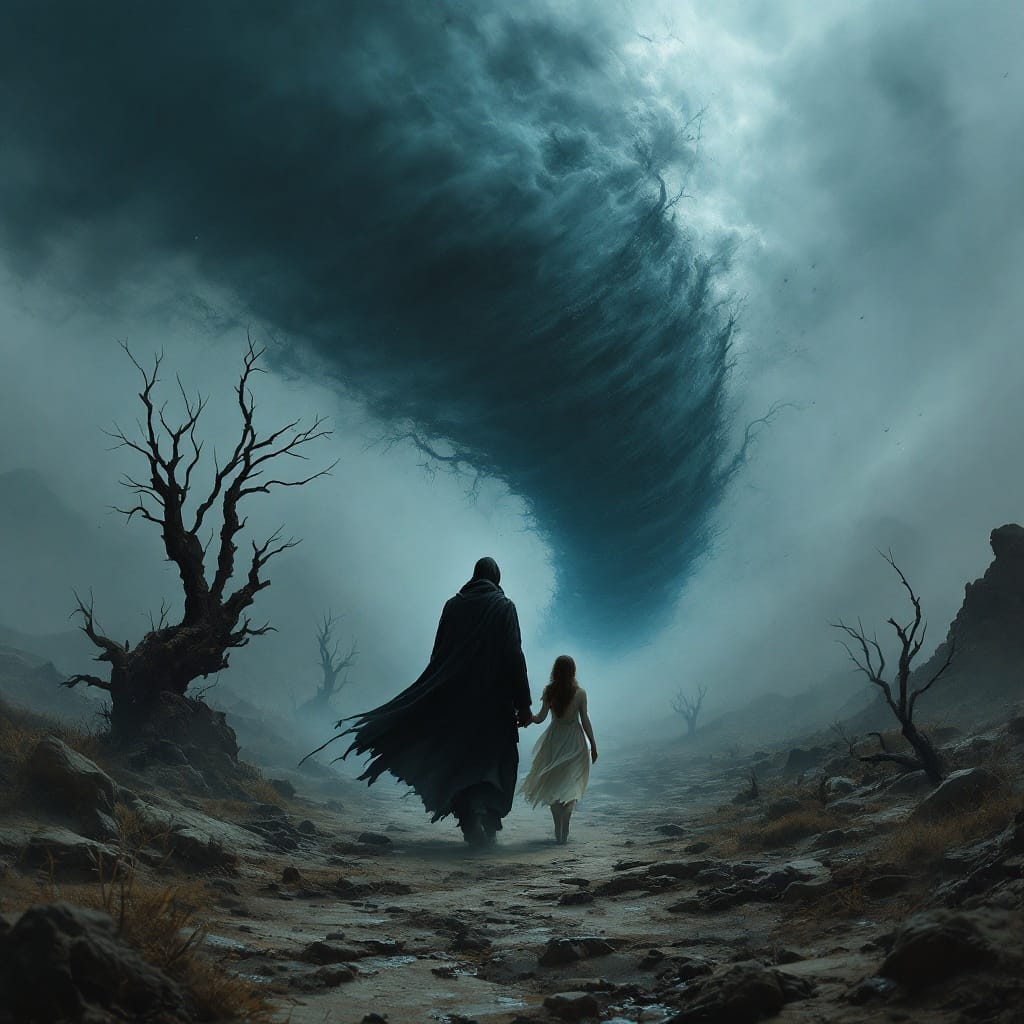
The Children of Mirzha were wise, temperate, compassionate, prudent, patient, and fair. In a world as hostile as Strovia, there was no need for harshness, cruelty, hatred, or wrath. As they grew older, they selected a young boy or girl just before the age of adolescence who embodied the characteristics of the devoted followers of the goddess, embarking on what is known as the “Walk of Wisdom.” Once a child was chosen, she was taken by the hand of the priestess into the wilderness where she was taught everything she must know. Once the child’s heart and mind were prepared, Mirzha sent a storm to accept the aging priestess into the embrace of a noble death, and the child was returned to the village, walking out of the storm, a symbol of the favor of the goddess.
The storms of the Wraithwind lessened, passing by the towns of the faithful as the citizens of Strovia grew more prosperous. Instead of humble villages, there arose towns and cities, alive and thriving in the land of the dead. Great churches and temples were erected to honor the goddess for her mercy and providence. The Church of Mirzha served as a center of civilization both for spiritual and temporal needs. The Priests offered counsel to the living and blessings for the dead to spare them the evil fate of the Wraithwind. They also offered judgement over crimes and disputes, the final voice for or against any matter. If a Child of Mirzha announced the will of the goddess, it was accepted without contest.
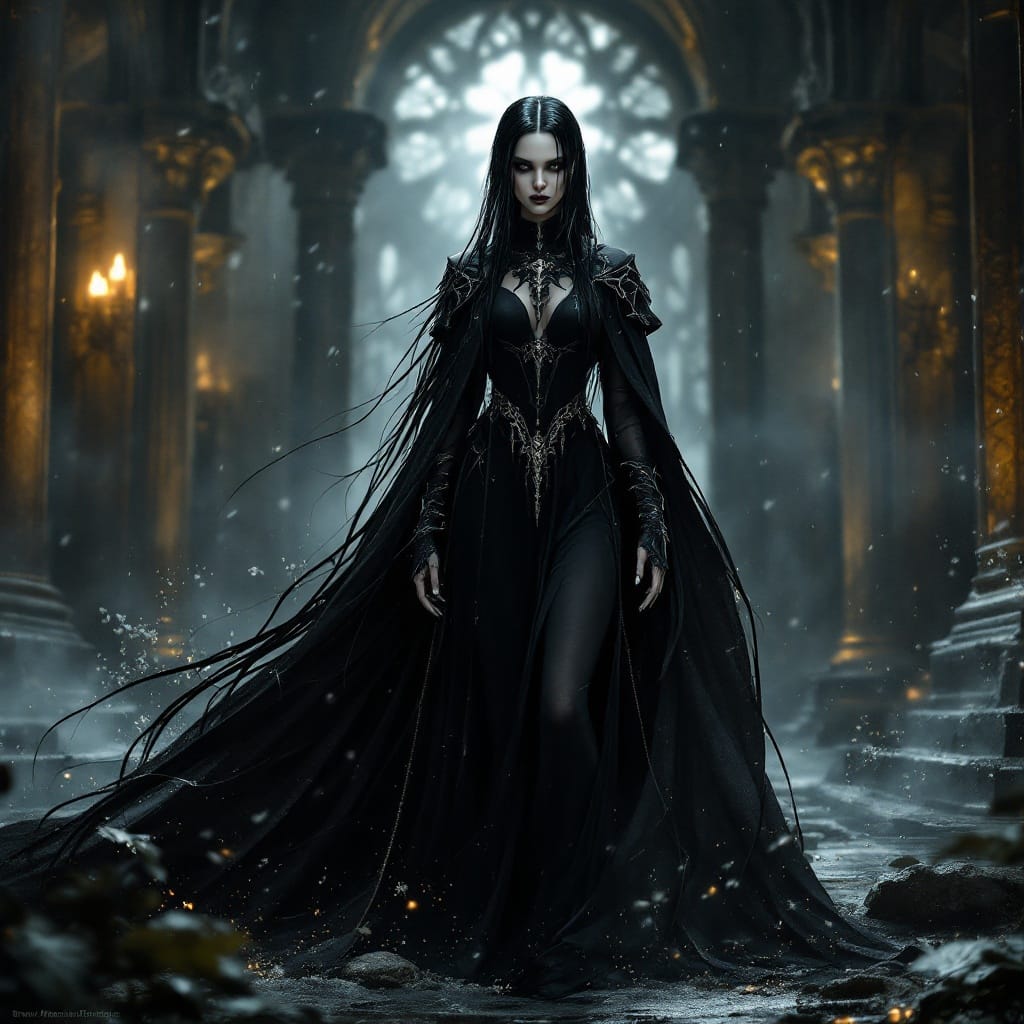
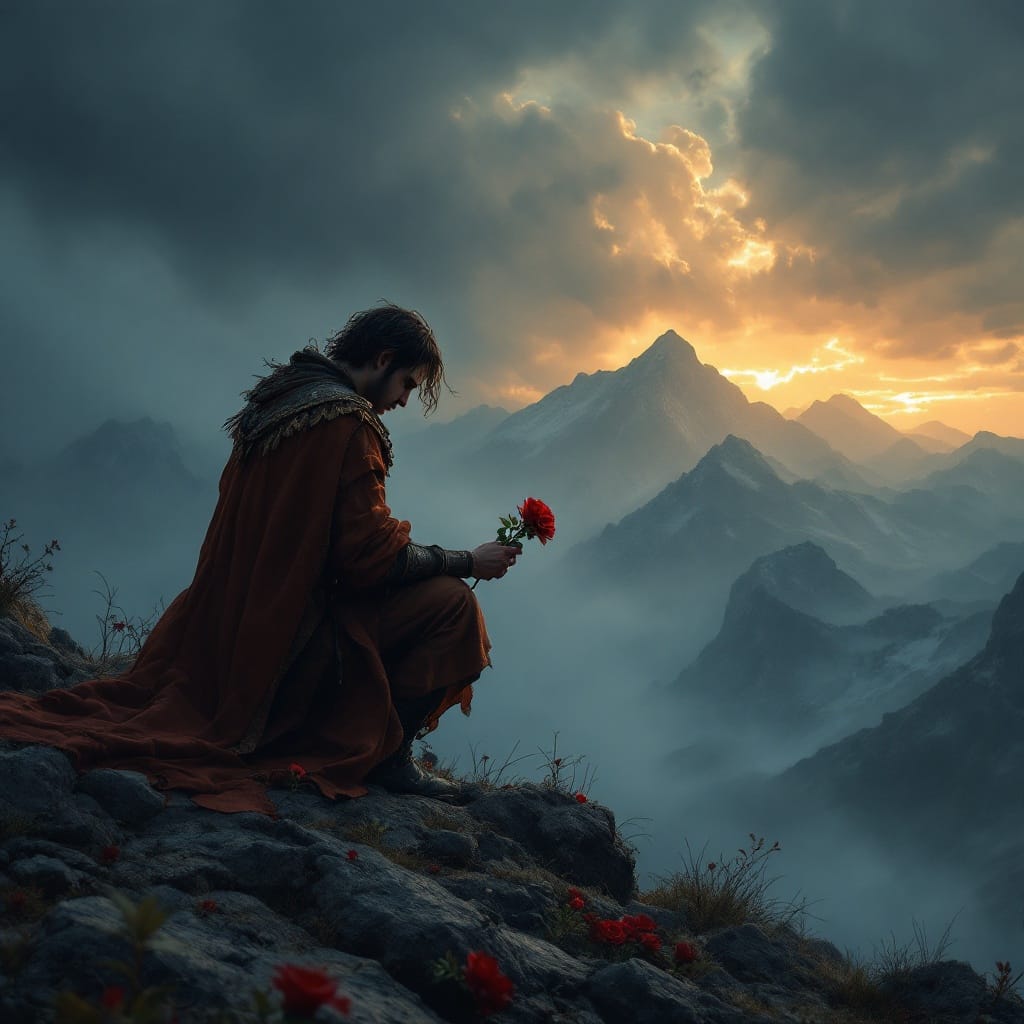
It was in the year 33 that Samil, the first King of Strovia lost his family to the Wraithwind and climbed to the top of the sacred Mt. Hemmora, the home of the goddess herself. He brought with him, a single Westbriar rose, a flower that only blooms outside of the boundaries of the wind, and presented it as a gift to the goddess, hoping that she would carry him safely to his wife and son. By his own account, the goddess appeared to him and spoke with him as a loving woman, moved by his gesture of love and affection. She blessed him and promised that his house would reign forever, ordaining him king over all the land the Wraithwind touches. The Children of Mirzha acknowledged his favor and united under the guidance of King Samil, organizing the priests into a formal church and codifying the wisdom of the goddess into law. Samil reigned until he was 100 years old and ascended Mt. Hemmora, to pass the crown to his grandson. For thirteen centuries, this succession continued.
In the year 1301, King Darien III attempted to destroy the Wraithwind and the goddess with it, assembling the greatest magicians and experts from across the world. There are no official accounts of what happened that day, only that the storms of the Wraithwind erupted throughout the entire kingdom, the royal palace crumbled, and the king was never seen again. Since that time, the church of Mirzha has been scattered and without leadership, returning to its roots as the servants and judges of its communities, albeit now in a much more secular society where they act as advisors to lords, rulers, and elected officials. The Church of Mirzha still performs rights, funerals, and offers counsel, but now in this much more modern era, it is rare that anyone seeks the wisdom of the goddess herself. As for the Children of Mirzha, they still maintain their vigil, praying that their goddess still hears their cries and watches over her people.

The Church of the Dawn
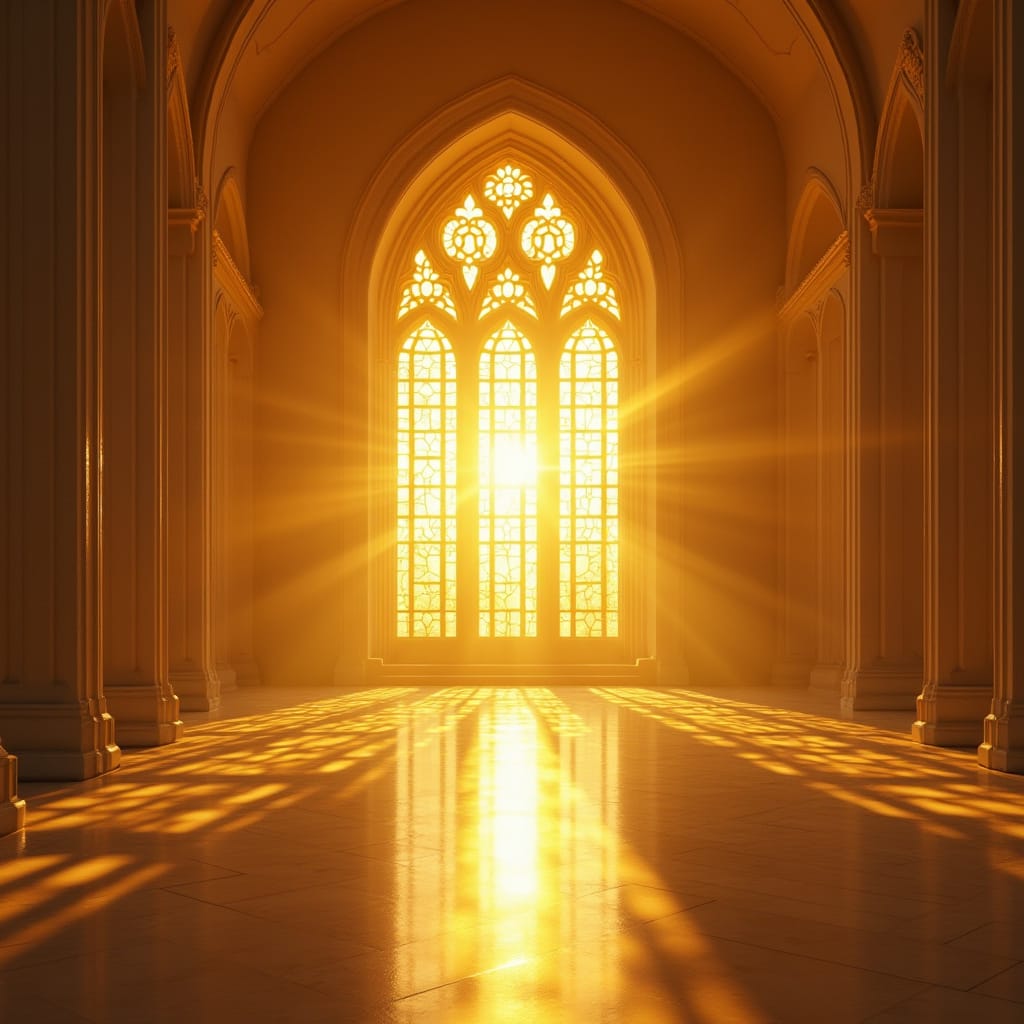
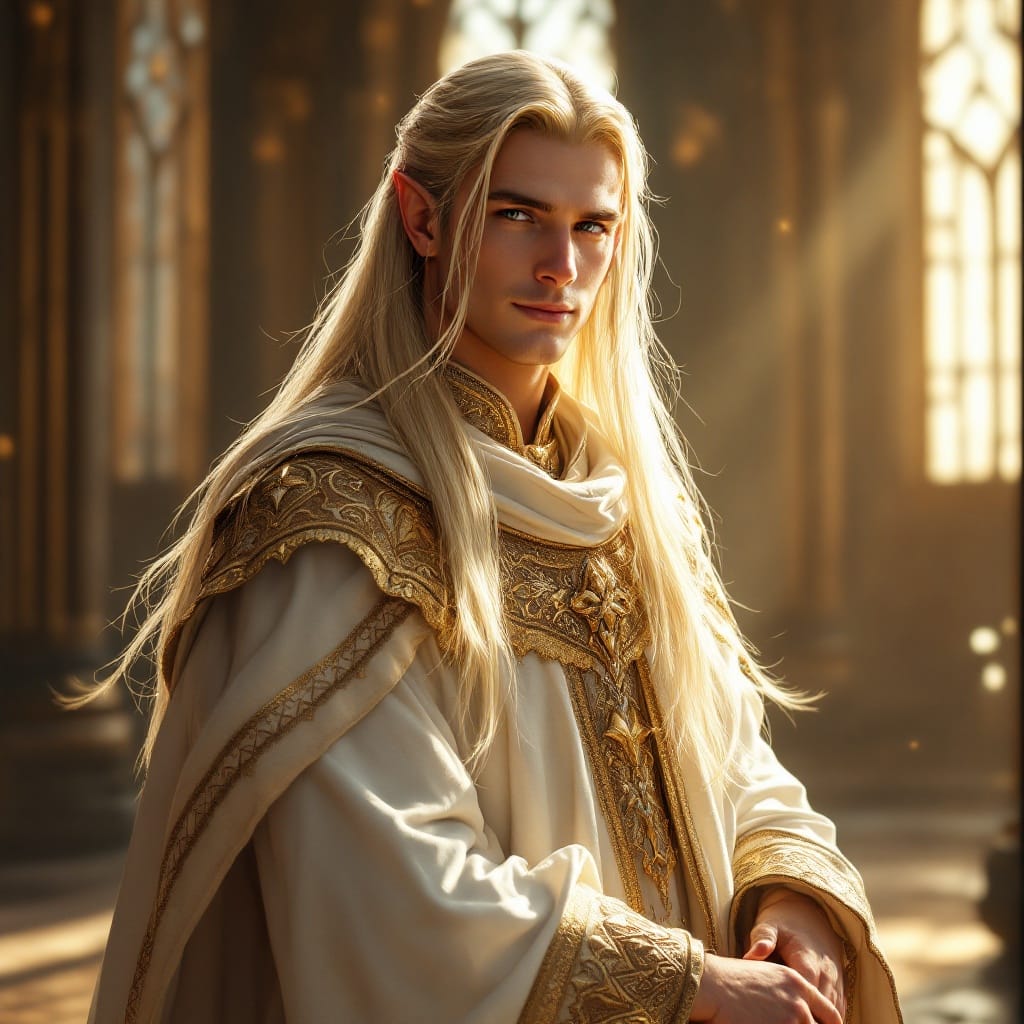
The first Church of the Dawn was built in the city of Cerr Nyel in the year 1302. After the fall of the Kingdom of Strovia, its people spilled across the borders into the untamed wildlands, choosing to brave the dangers and monsters beyond, rather than suffer and die beneath the vengeful Wraithwind. Cerr Nyel, once the summer retreat of the royal family, had now become a camp of refugees, accepting thousands of families hoping to start a new home. The journey across the wild lands was filled with despair and mourning for the world the people of Strovia had lost. Spoiled by the extravagance and luxury of Strovia’s golden age, those who fled were humbled by their hunger and poverty. Each day on the journey east, its people watched the sunrise over the Karpaine mountains, praying they would soon find the city and begin life anew. When they arrived, they met an elven man with long blonde hair who told them, “Death is not your god anymore. This is not the end of Strovia. This is the beginning of a brighter future. This is the sunrise your fathers never knew.”
Brother Antal De’Luvian, an elven scholar from the city of Illi Ahn who studied magic and medicine at its prestigious University, was the man who greeted them. He came to Cerr Nyel hoping to study under Erwin Seeler, the Priest of the Church of Mirzha but found himself in the center of a humanitarian crisis. Working closely beside Brother Seeler, Antal utilized his skills and talents to tend to the sick and the injured and to ensure that the masses were fed and sheltered. In time, Antal was mistaken for a holy man himself, with many assuming his white and gold scholarly robes were the vestments of a priest. His words of hope and optimism were an inspiration to those who settled the city, influencing them to construct a house for the feeding of the hungry, clothing of the naked, and healing of the sick. With Brother Seeler’s blessing, the structure was erected by the labor of the refugees of Cerr Nyel under the direction of skilled architects and builders from the king’s courts in Camnia. Nearly matching the grandeur of the Church of Mirzha, the edifice was colloquially referred to as “The Church of the Dawn” until it was officially named such in the records of the city.
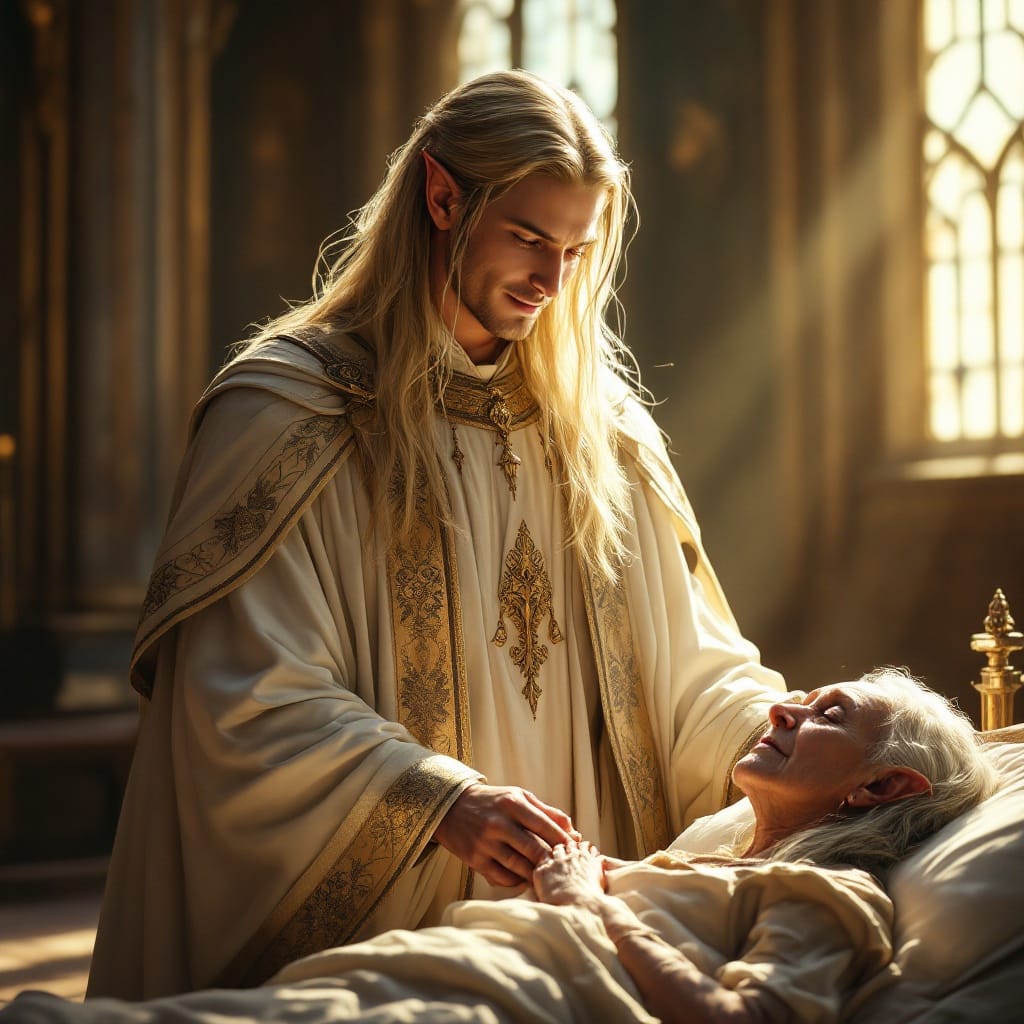
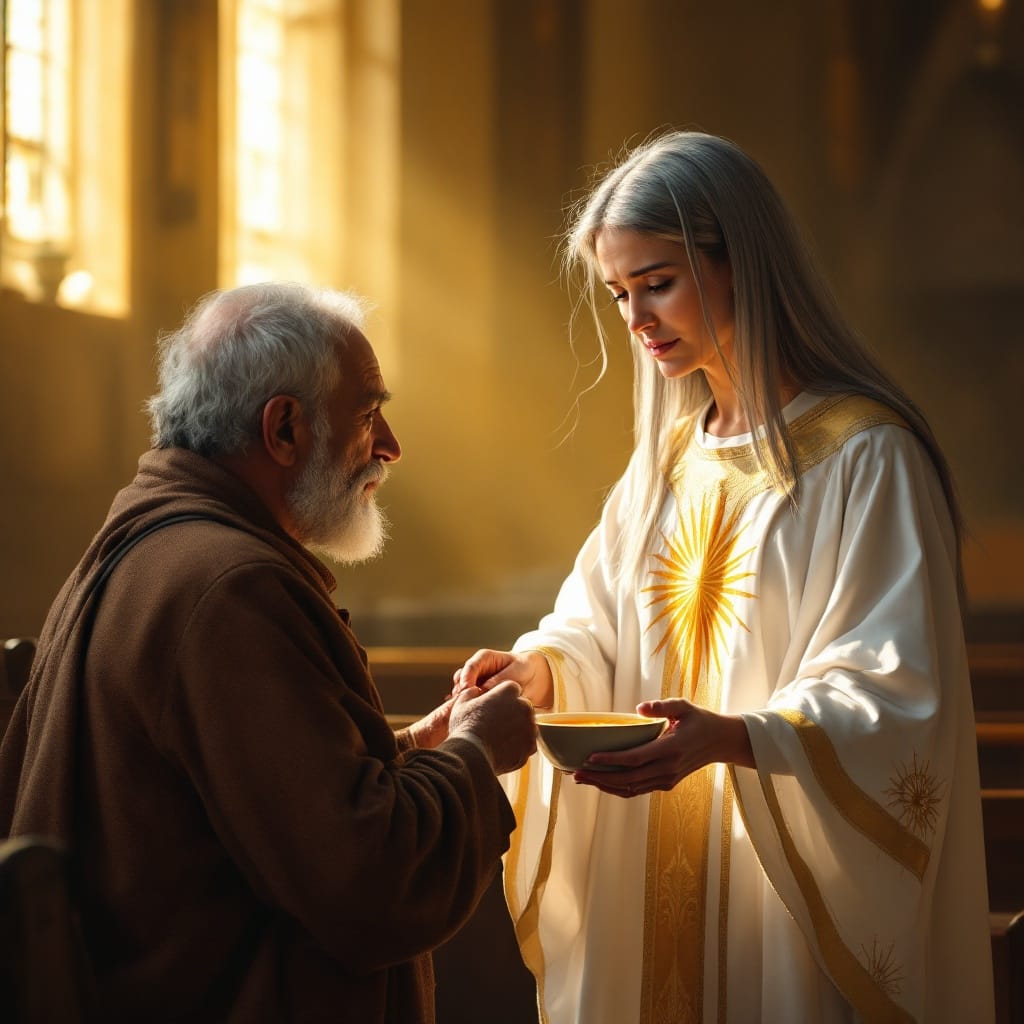
In contrast to the Church of Mirzha, the Church of the Dawn lacked any rituals or divine authority, but instead functioned as a place of service, where the people of the town routinely volunteered to offer their time and substance for the care of the needy. There was an outpouring of goodwill from the refugees in the early settlement of Cerr Nyel, as nearly all of them remembered the times when they came to the city as beggars, trusting in the kindness and charity of their neighbors. The Church served as a place of peace and hope, reminding all who entered that there was enough goodness, light, and love in the world to overcome any darkness. Antal’s brief scholarly sojourn became an elven lifetime of sacrifice and devotion. His presence, his wisdom and his infectious optimism served as a constant for the people of the town, as Cerr Nyel rose from the ashes to live up to its name “The City of the Living.” As new generations of children were born who never knew the darkness of Strovia’s fall, Antal was accepted as a priest, and his mission was encouraged by his close friends in the Church of Mirzha. Soon, he had apprentices of his own, seeking to understand his wisdom and follow in his footsteps.
Lida Nowell, a young disciple under Antal’s tutelage, left at the age of forty years old to establish the Church of the Dawn in the city of Aszhnasz, spreading the message of charity and hope to the western people. The mission of the church remained rooted in service, teaching that the greatest power in the world was good and loving, capable of overcoming any darkness. It teaches its people that good comes to the world not because we wait for it, but because we create it through our actions, love, and sacrifice. The Church abstains from judgment, leaving matters of punishment to the city and the Church of Mirzha. It teaches that the greatest purpose in life is to create a better world for our children by giving up our own desires so that the sun may shine more brightly tomorrow. The Church encourages its most devoted disciples to learn medicine, carpentry, cooking, and any skill that can be employed to lift the burdens of others. It teaches faith that there is a divine good in the universe that thinks, feels, and loves, and that no matter how dark the world becomes in times of tragedy and destruction, the sun will always rise again.
 Armor of Sorrow