
Elves
Elves differ from humanity far more than the shape of their ears. They are creatures that live much longer than humans but mature slowly, favoring steady refinement and perfection rather than risks and aggressive changes. They enjoy improving every action of daily life with greater and greater precision, always striving to hone their skills in even the most mundane activities. Elves can frequently spend months at a time mastering very small adjustments in both sensory and motor functions. This methodical approach to life is slower than humans but carries with it a greater skill ceiling. For example, a human carpenter will learn his skill far faster than an adult elven counterpart, but given time, the elf can noticeably surpass the human in precision, efficiency, and quality. For this reason, elves adapt slowly to changes in the world and make for excellent artists, musicians, and craftsmen, but poor innovators.
Elves are born after a five-year gestation and can walk within five minutes of birth. They age and reach maturity at 1/4 the speed of humans, meaning an elf will reach adulthood at roughly the same age that most humans die. Elven adolescence begins at about age 50, concluding physically at age 60 but mentally at age 90.
To humans, elves are a curious and quiet race, often resembling wild animals more than people. Their expressions and movements may seem subdued and inanimate when not engaged in any particular activity. Elves have exceptional physical endurance, reflexes, and stamina but lack the raw weight and power of humans in physical contests. They have dramatically better hearing than vision with conscious and unconscious control of their ears, which act not only as sensors but also to alert other nearby elves to their mood and attention.
Their primary form of communication is body language and facial expression, intuitively understanding the reactions of their conversation partners contextually in any given discussion. Elves have an extremely heightened awareness of emotional states, which helps them to act as a group, mirroring each other’s fear, alertness, calmness, or focus. It also makes them extremely difficult to deceive as even the slightest doubt or inconsistency in mood are dead giveaways. Verbal language is useful over distances and in crowds, when elves use simple understood phrases limited to a vocabulary of 200 words usually to express commands or requests.
The full spectrum of written elven language is vast, often including simple words for extremely complex ideas. It is rare that elves speak with one another using the same language as the written word, but when they do, it is considered an intimate and artistic endeavor, more like singing a song to one another than carrying on conversation. While efficient, elven language is very poor at describing new ideas, reinforcing their natural tendency to follow what is tried and true rather than innovate or invent.

Tszomra
Tszomra can easily be mistaken for humans and strive to imitate human behaviors to blend unnoticed into society. In their most natural state, Tszomra are taller and more slender than humans, with elongated necks, arms, legs, and fingers. Their hair is universally dark, their mouths are wide, and their teeth are crowded and crooked. Their natural skin tone is pale gray but they do tan in sunlight, just as humans do. Their movements tend to be more smooth and spider-like than humans and some possess golden yellow eyes, though normal human colors are common.
Ecologically, Tszomra are scavengers, with tastebuds that favor foods that are sour, acidic, pungent, and even rotten. They detoxify food efficiently and are very resistant to foodborne illness. To Tszomra, typical human cuisine tastes extremely bland. They enjoy eating food that has been left to spoil, though they can enjoy freshly prepared foods, so long as they have been seasoned to such a degree that most humans would find unpalatable. Despite this, it is considered culturally taboo to eat human garbage and the practice is discouraged in childhood.
Natural Tszomra mannerisms may seem unsettling to humans. In familiar company, they have animated facial expressions that are not congruent with human communication. A Tszomra revealing her teeth in a smile could be seen as physical attraction or violently threatening. Wide eyes and elevated volume in their speech would seem like fear or alarm to humans, but other Tszomra would interpret it as demonstrating interest and friendship. Healthy Tszomra teeth often appear crooked and rotten.
The cultural, dietary, and psychological differences between Tszomra and humans cause difficulty in open and free coexistence. For this reason, Tszomra tend to hide their natural features and disguise their mannerisms. While they are naturally nocturnal, Tszomra will tan and stay awake during daylight hours in human cities. They also tend to gain weight, wear baggy clothing, and stoop their posture to de-emphasize their long skeletal structure. They also use false teeth which requires regular extraction of their natural teeth by a dentist, one of the most respected professions in Tszomra communities.
Faery

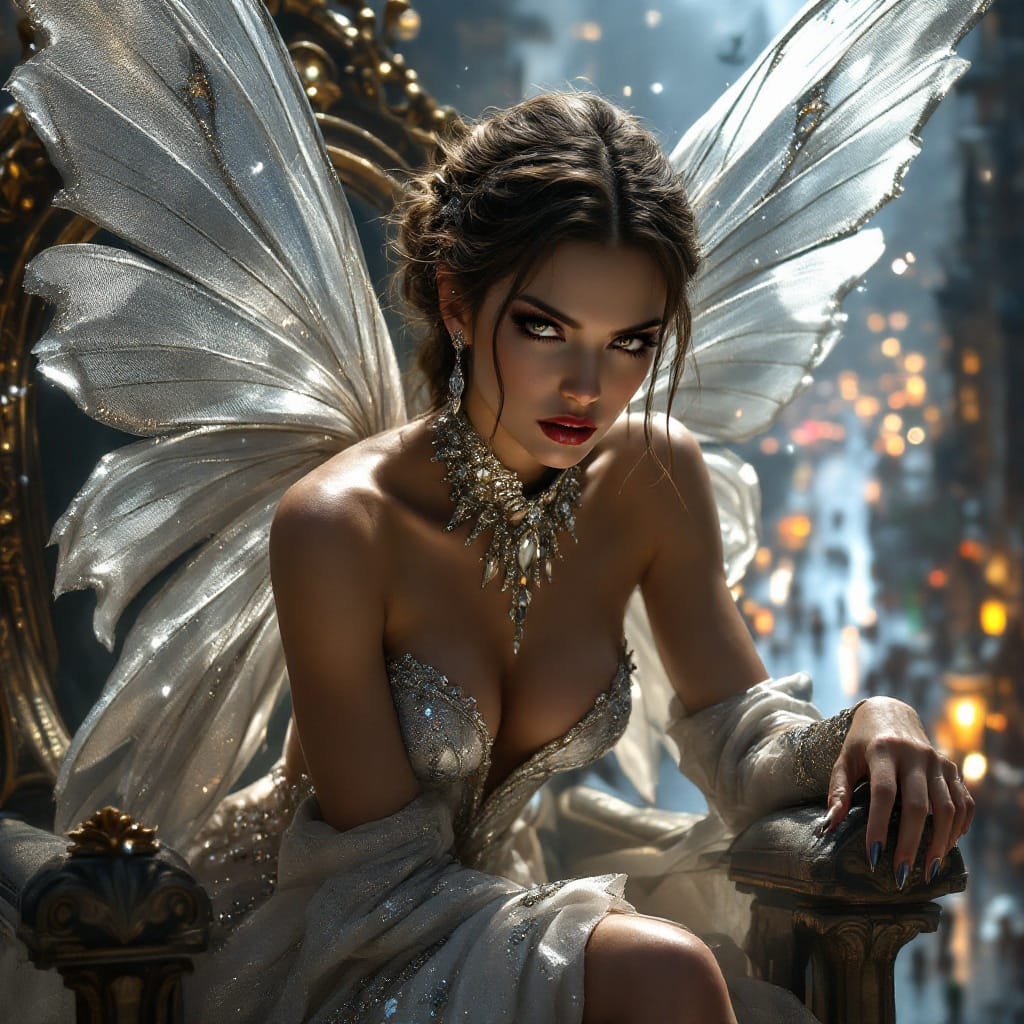
Rarest and fairest of all intelligent creatures are the daughters of Titania. Blessed with perfect form and beauty, they are far more than women with wings. In their veins courses the blood of the Queen of the Fey, the Lady of Light and Life Renewed. With it comes power and majesty that can only be found in humanity’s wildest dreams.
Blessed with this divine heritage, they never age or lose the glory of their youth, nor do they die of old age. They are worshiped by many as living goddesses, though few people who walk the earth ever find themselves fortunate to see one of these illustrious creatures in the flesh. Yet, despite this power and vibrant life-force, they remain as rare as a gleaming diamond.

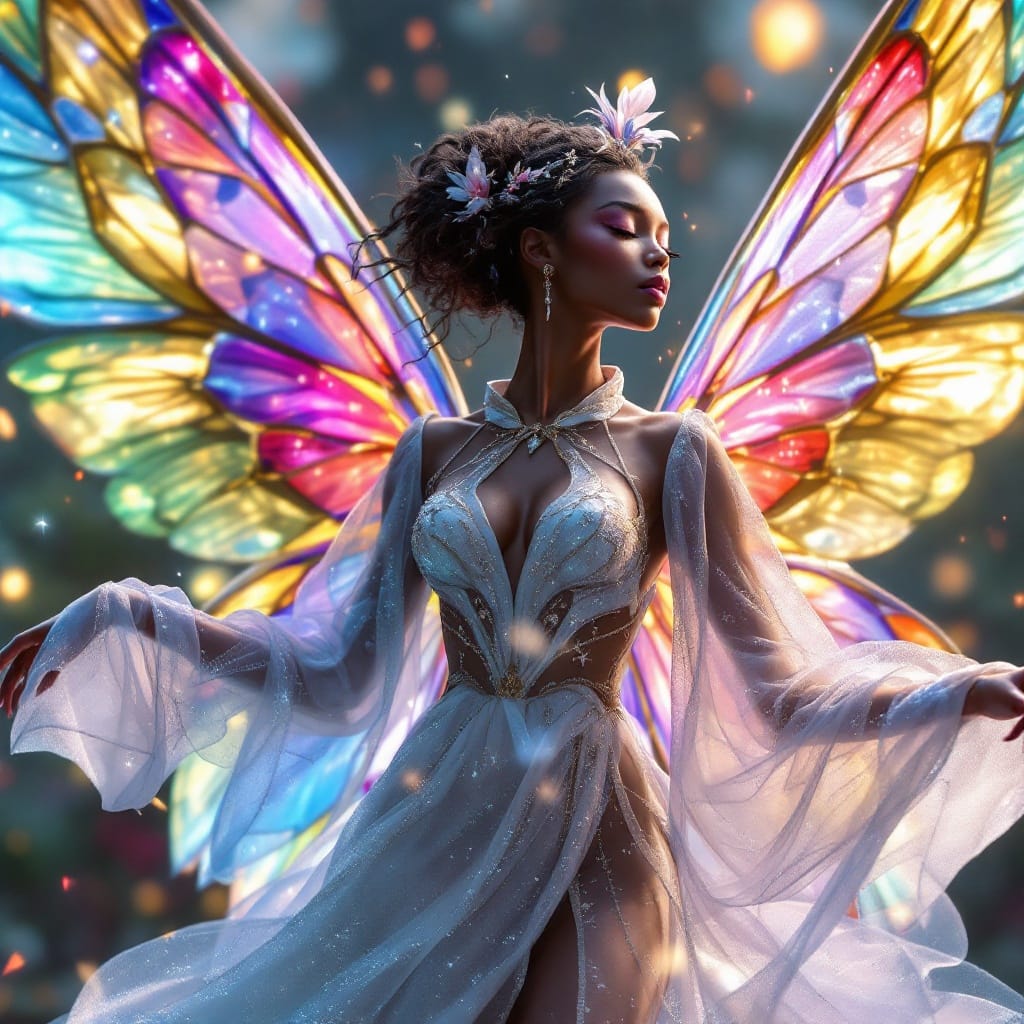
In the mystical land of Helesia, these wondrous women walk amongst men as the princesses of eternity. Each one possesses her own unique beauty and divine attributes, wisdom, song, knowledge, art, or perhaps even strength.
However, even the grace of Titania is not enough to surpass the selfishness and vanity that arise from the worship of men under their spell. While many faery seek love, passion, and adoration, some still fall prey to pride, jealousy, and ambition.
Fey
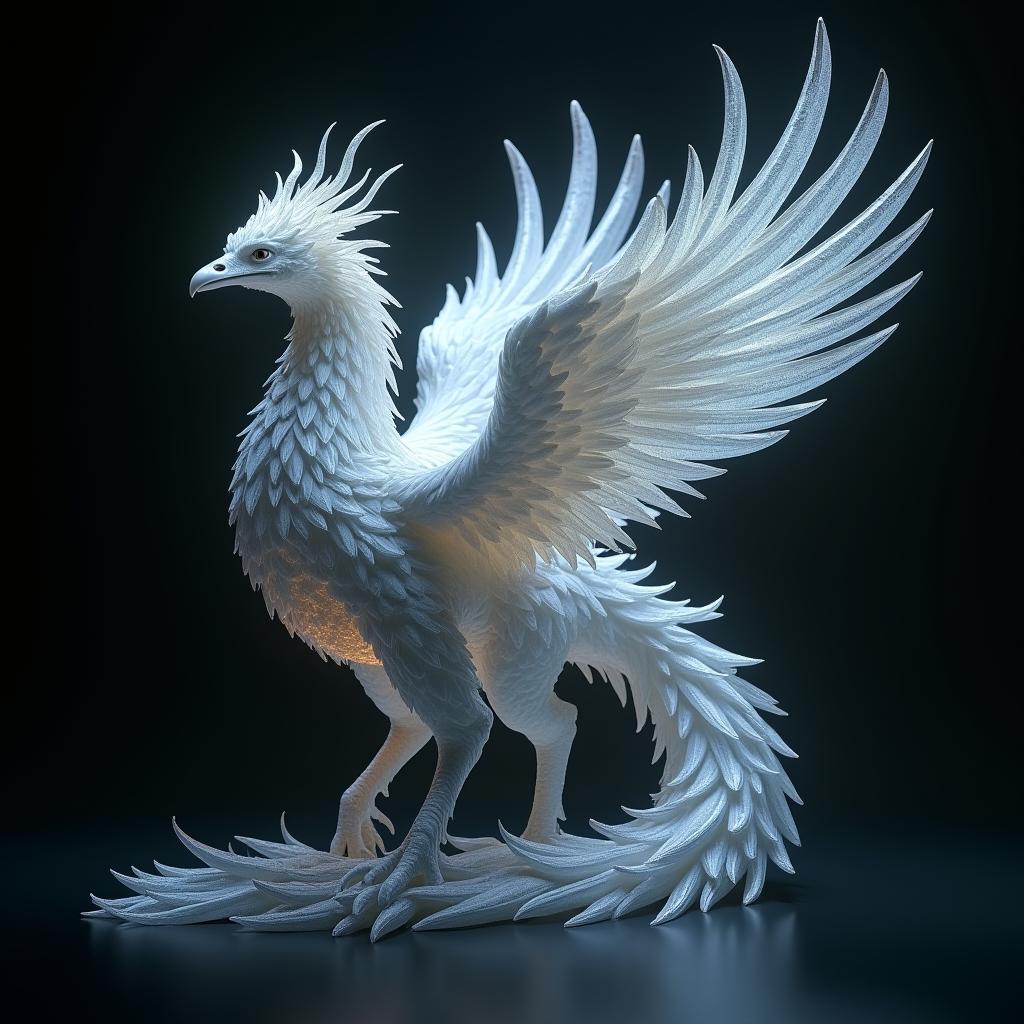
Faery tales come from somewhere. For generations, children have heard bedtime stories of creatures both beautiful and terrible that walk the earth as bearers of light and hope or harbingers of death and darkness. When the innocence of childhood fades and boys and girls become men and women, they are taught to forget these timeless tales and discover the real world. But what if those faery tales were real? What if the stories of sea monsters, unicorns, trolls, and hags were true?
Stories emerge from dreams and imagination, but perhaps there is some truth hidden within the fantasy. But what came first, the truth or the dream that spawned it? The Fey are creatures born of imagination, fear, love, desire, hope, and tragedy. Of all the races in the world, the Fey are alien to this realm–spiritual creatures from a world beyond imagination who fled here for the ecstasy of flesh, bones, and blood. They crave above all else to be seen, heard, and remembered. So long as the world believes in them, they have a place in reality, fulfilling their role in the legends of history. They possess mastery over the souls of magic, wielding its power both naturally and effortlessly. Though, despite this awe-inspiring might, they are slaves to their own stories, forced to play their parts and unable to choose for themselves.
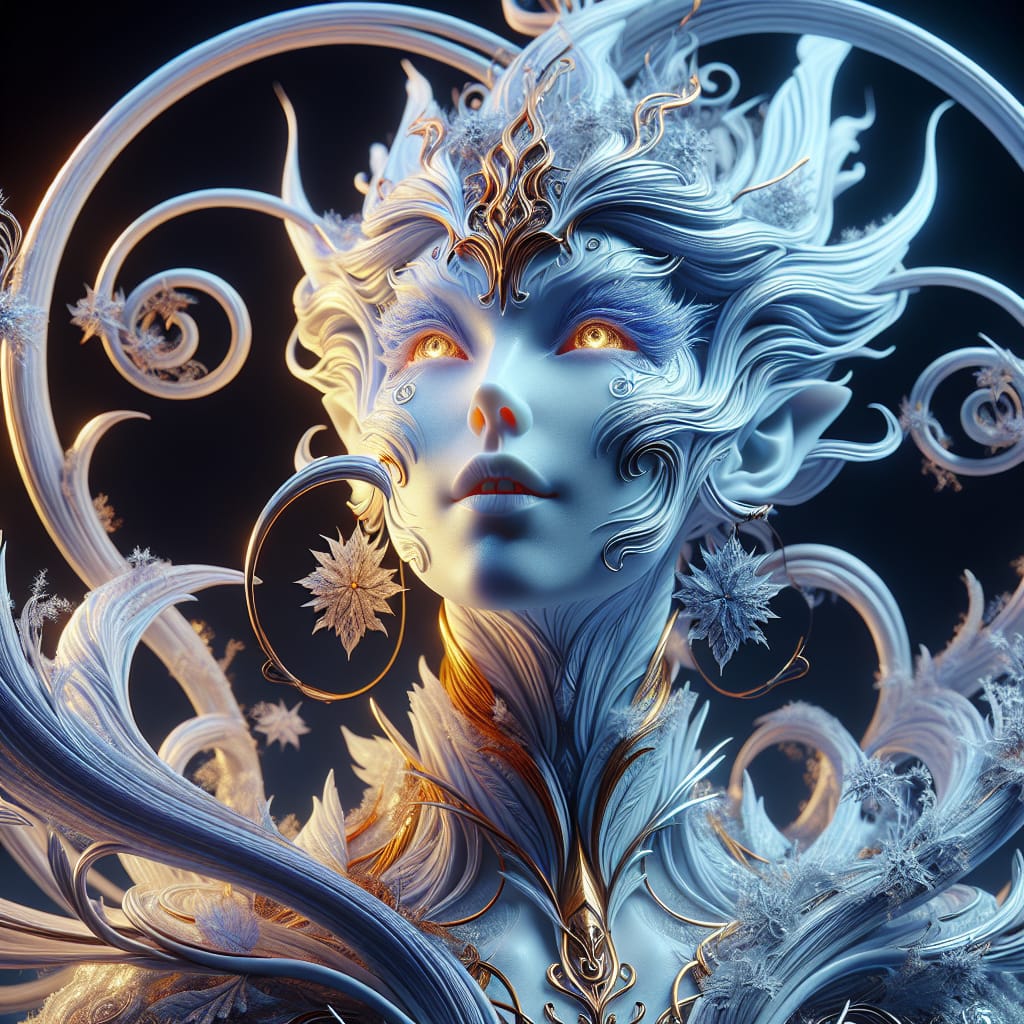
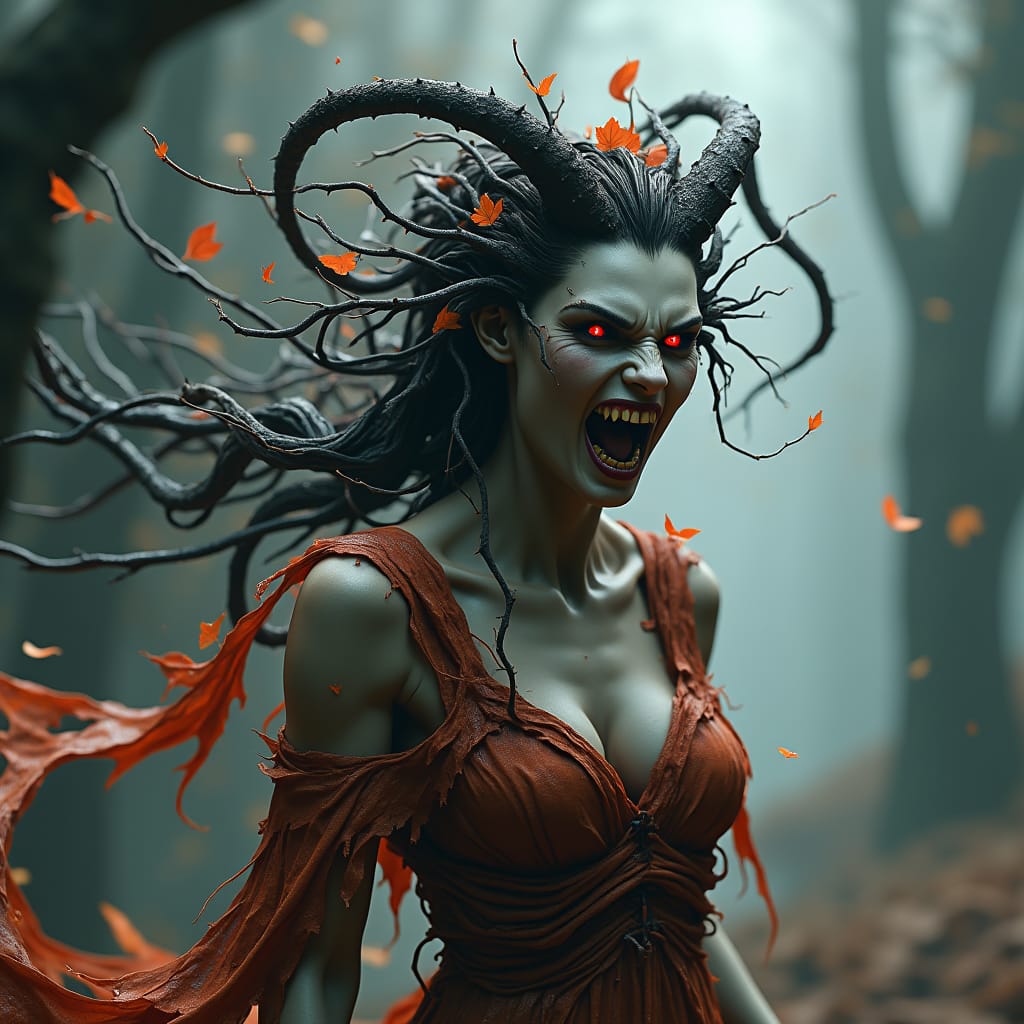
The noblest of the spirits of the Fey, beings of wisdom, peace, and beauty may be born into the world as the fiercest of villains or most hideous of monsters. No matter how regal their heritage or how immaculate their essence may be, they take their place on the earth, sea, or sky in whatever form humanity will grant them. To the lay person, those Fey which are beautiful may seem like angels while the most vile and evil seem like devils. But the wise understand that the darkest and most hideous of their kind may be the purest of them all.
 Armor of Sorrow